If you are planning a fence installation in Brunswick County, you know the weather here does not always play nice. Salty air, steady wind, muggy days, and drenching rain can wear down even the toughest fences. Some kinds come apart way too soon, leaving you with sagging boards or rusty spots that pop up before winter even arrives.
Picking a fence that lasts is about more than looks. It is about dealing with the kind of weather Brunswick County and Wilmington toss at your yard. This article focuses on how to pick materials that take a beating and still come out strong. You will get the facts on what works best close to saltwater, which fences shrug off the weather, and what to look for so you do not end up making repairs every time there is a storm.
Understanding Coastal Weather and Its Impact on Fences
Brunswick County brings its own set of challenges when it comes to fences. Between the salt in the air and the strong winds, things change fast in this part of North Carolina. Winter and fall storms can be especially rough. If you have lived here a while, you have probably seen how metal rusts quickly and wood seems to split or grow soft before you expect it.
Here is what happens:
– Salty air clings to everything and speeds up rust on metal parts.
– Humidity, rain, and dampness can push wood to swell or twist.
– High wind, especially during storms, can loosen weak posts and panels or blow them out of place.
Fences that would last a decade somewhere else might look tired after just a few years along the coast if you do not use the right kind of material. Down here, choosing well makes all the difference in how long your fence stands before it starts to show age.
Best Fence Materials for Long-Term Durability
When you want your fence to last in Brunswick County, focus on three main choices: vinyl, aluminum, and treated wood. Here’s a closer look at each one and why they work so well near the beach.
Vinyl fencing is popular near the coast for several reasons. It will not rust or rot, even with salty breezes almost every week. The color stays sharp for years, and a quick spray with the garden hose is all it takes to wash off the salt. It will not chip or flake, so you spend less time worrying about touch-ups. For those who want less work and a clean look, vinyl is a top pick.
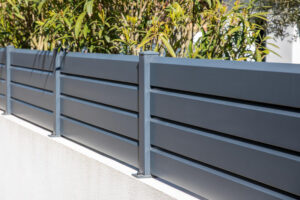
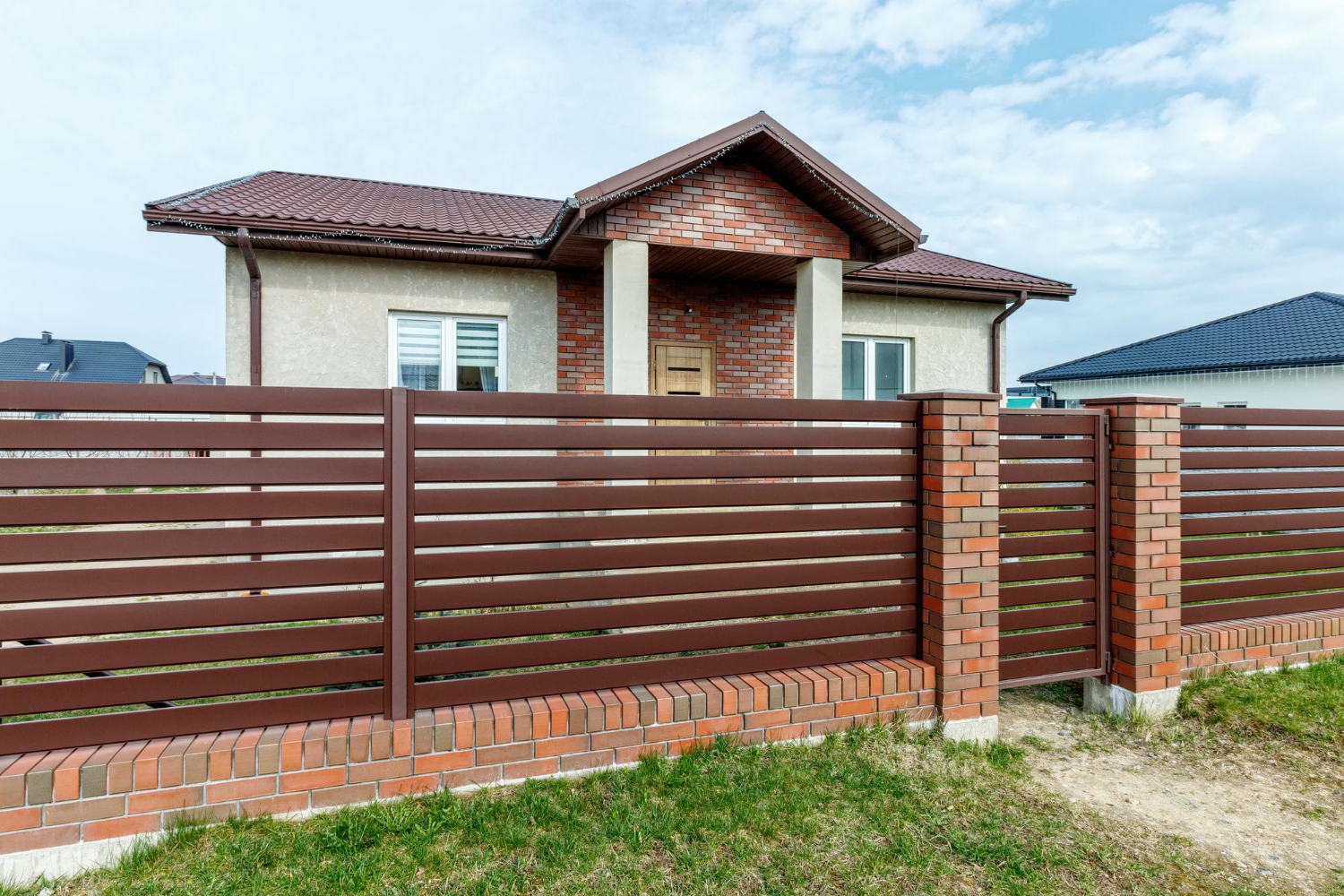
Aluminum fences offer lots of strength and do not mind briny air. Unlike some other metals, high-quality aluminum is made to handle corrosion. It is lighter than steel, so it handles blows from wind gusts without bending or breaking apart. Styles run from simple pickets to privacy panels, and the powder-coated finish means color does not fade quickly. That coating shields the metal from rust and helps the fence take on storm season without missing a beat. Picket and Post only installs powder-coated aluminum for extra resilience in local weather.
Treated wood has been trusted for a long time by people who like the classic look of wood fences. In Brunswick County, only pressure-treated posts and boards truly stand a chance outdoors. The wood soaks up treatment made to fight off bugs and rot much better than untreated options. If you pick cedar, it tends to stay straight and holds up through hot, humid summers. Still, any wood needs a good seal or stain to keep it from soaking up too much water. Proper installation matters a lot with wood fences, so make sure the crew knows the local mix of sand and clay before setting posts.
No matter your choice, the focus in coastal areas is always the same:
– Look for fencing materials that resist rust, mold, and fading.
– Make sure the finish or treatment is meant for outdoor, high-humidity use.
– Avoid metals that lack a protective coating.
Choosing right from the start will help you avoid replacing boards or scrubbing away stains month after month.
What Brunswick County Homeowners Should Look For
The weather is not your only challenge. Even the ground in Brunswick County brings some surprises. Some yards are sandy all the way down, while others are heavy and soggy from clay. Both play a part in how long your fence stays upright.
Think about these points:
– Poor drainage can let wood posts soak up water, which makes them rot.
– Sandy soil dries out fast, so posts might shift or lean without the right foundation.
– Clay holds water, which can drown posts and cause sagging panels.
It is easy to pick a fence based on looks, but ignoring how your yard handles water and wind is one of the quickest ways to run into problems. Many homeowners forget to factor in soil, and just a few hard rains can show you where things are not set right.
If you live close to the water or on the edge of a new development, it pays to work with someone who knows which direction wind and rain usually come from. A local crew will understand how the seasons affect soil and can suggest how deep each post should go. Picket and Post uses installation methods that fit local codes and soil types, so every fence is anchored to handle big storms.
Watch for these common mistakes:
– Not checking soil drainage before setting posts.
– Choosing untreated wood or uncoated metal.
– Ignoring the impact of yard slope and low spots.
Each of these can shorten how long a fence lasts, even if you do everything else right.
Maintenance Helps But Can’t Fix Poor Material Choice
Taking care of your fence matters, but it does not turn a weak material into a winner. If rust sets in or water finds its way into the wood, repairs quickly add up. No amount of scrubbing or patching will make the wrong material act like the right one.
A maintenance checklist helps stretch the lifespan of a new fence:
– Spray off salt and dirt every few weeks, especially after a storm.
– Look for loose boards, rusted screws, or gaps after heavy rain.
– Reseal or repaint wood fences each year to hold off moisture and mold.
Vinyl fences usually need less work. Wipe them down to keep them looking sharp, but the material itself will stand up against salt air on its own. Aluminum fences only need an occasional rinse and may benefit from quick checks where screws meet the posts. Coated or powder-finished hardware means fewer problems over time.
Still, if the base material is not made for this climate, plan on more repairs or possibly replacing panels before you planned. The easiest way to have less trouble later is to start with a fence that is built for tough weather.
Built to Last: Make a Smart Choice That Fits Coastal Life
Life in Brunswick County is better with less hassle from your yard. Your fence shapes the look of your place, but more than that, it should help protect your privacy and stand strong as the seasons change. The storms will come, and so will long days of heat and humid breezes. A fence that lasts is one picked with all of that in mind.
When you are choosing materials, remember what matters most:
– Fences built from powder-coated aluminum, pressure-treated wood, or thick vinyl last longer along the coast.
– Local installation experts make sure your posts are deep enough and set for the right kind of soil.
– Good upkeep makes a difference, but nothing beats starting with the right material for the job.
It can be tempting to choose a fence just because it looks nice, but the real reward is picking one that does not give you trouble as years go by. Protect what you care about now, and you can enjoy both the look and strength of a well-built fence for a long time.
At Picket and Post, we know how important it is to choose materials that can stand up to the coastal weather here. With the right planning and support, your fence won’t just look good—it’ll hold up through storms, salt, and damp days that come with living near the water. Thinking about a new project and want something that’s built to last year after year? We’re ready when you are. To talk about the best options for your own fence installation in Brunswick County, give us a call today.