It’s an exciting time when you decide to put in a new fence. A good fence gives your yard privacy, security, and a clean, finished look. Still, with so many choices, small steps get missed and mistakes add up. If things move too fast or details are skipped, bigger problems show up later. This happens a lot in residential fence installation jobs around Brunswick County and Wilmington, where tough soil, drainage, and weather can turn a simple misstep into a major hassle.
Here’s the good news: most fence issues are easy to prevent. Careful planning and doing each part right makes all the difference. It starts long before anyone digs the first post hole.
Common Layout Mistakes That Throw Off the Whole Fence
A fence has to go in the right spot—or else it can cause trouble with neighbors and even need tearing out later. Missing the property line or skipping a real survey leads to headaches and expensive do-overs.
Slopes, dips, and bumpy land are often brushed aside or misjudged. A fence line that climbs up and down looks off and can create weak spots as dirt settles under pressure. These problems don’t just hurt how it looks, they hurt how long it lasts.
Posts are another big deal. If they’re put too close to trees, driveways, or drainage pipes, problems can start underground. Tree roots can push posts out of line, while waterlogged ground loosens them after every strong rain. Building away from these trouble zones helps the fence stay straight and steady no matter what the weather does.
When handling residential fence installation, the best crews use ground marking paint and string lines to double-check layout before digging. Carefully reviewing property corners and visible markers keeps the whole fence on track.
Installation Shortcuts That Lead to Weak Spots
Fence posts are the backbone of a good install. Shallow holes or poor spacing make the fence wobbly when the wind blows. Sturdy fences use deep, evenly spaced posts, especially in areas where storms and high winds are a regular thing.
Concrete should be set slow and steady in soft soil. Rushing this part or skipping concrete means the posts will move or lean—sometimes days after the job is finished. Homes around Brunswick County and Wilmington often need deeper posts to deal with sandy, shifting ground and to protect against sudden storms.
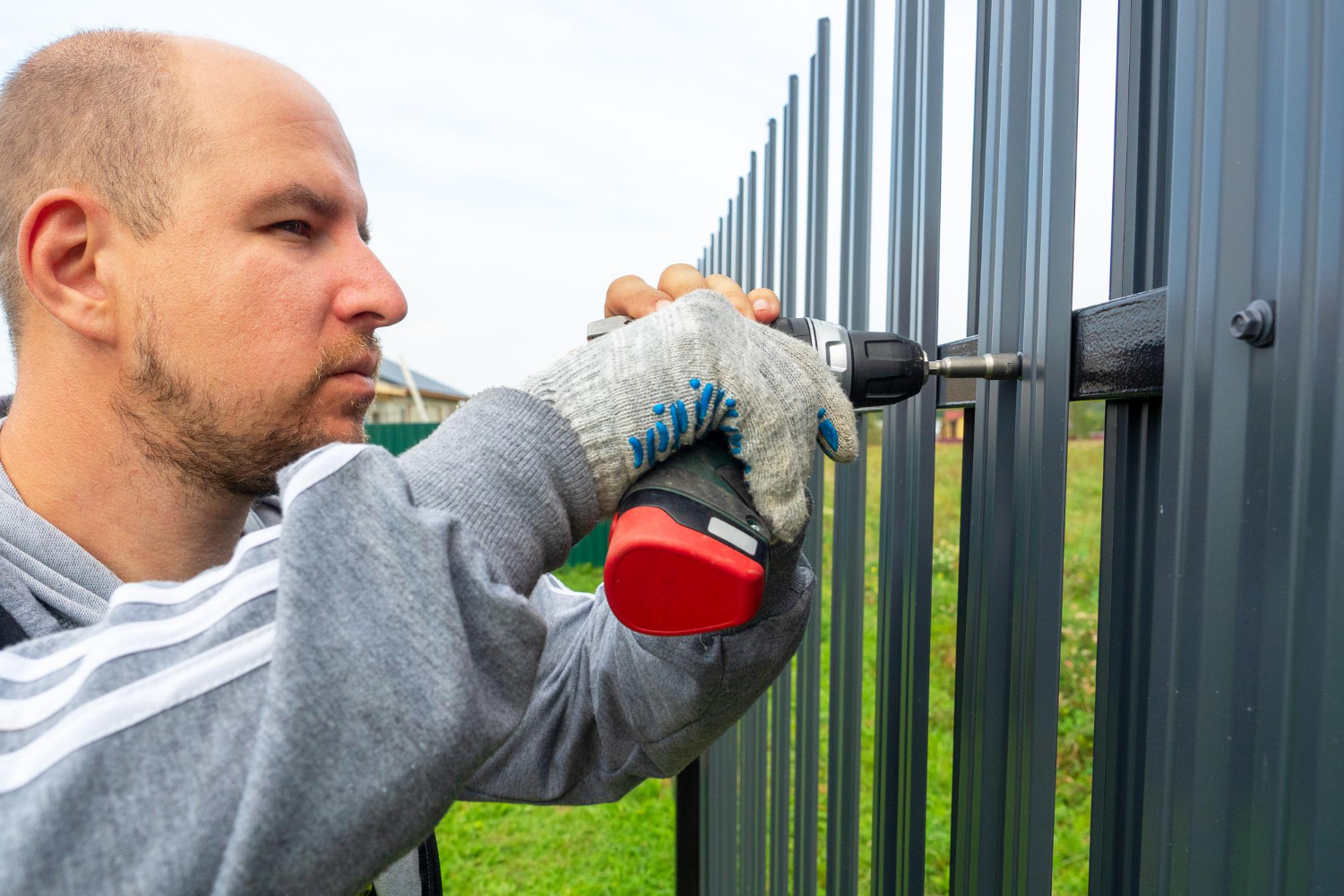
Panels and rails need to fit tightly. Loose pieces creak, sway, and let the wind push against the whole structure. Every screw or clip matters. Over time, small movements grow into big gaps or wobbly gates, making the fence wear out long before it should.
In every residential fence installation, simple steps like double-checking level and line for every post help avoid weak links.
Material Handling That Makes or Breaks a Fence
What happens before the build is as important as what happens during it. Installing wet wood without letting it dry first leads to twisting, shrinking, and cracks. That leaves gaps and bends in posts or pickets soon after the work is done.
Vinyl panels aren’t immune to shortcuts, either. Forcing them together or trimming them too tight doesn’t leave space for flexing through hot or cold spells. Later, panels may split, warp, or pop loose in high winds or temperature swings.
Aluminum is strong but needs care to keep looking sharp. If it’s scraped along the ground or knocked against the driveway, scratches and dents show up quickly. These marks make the fence look old before its time, which can frustrate any homeowner.
Top fence installers for residential fence installation in Brunswick County and Wilmington pre-stage all fence materials off the ground and use protective covers until it’s time to build. Every picket, post, and panel is handled cleanly so nothing gets damaged before it becomes part of your yard.
Fence Designs That Don’t Fit the Yard
Sometimes, a fence that looks great on paper just doesn’t work once it’s up. Blocking airflow in a windy spot by using the wrong style, for example, puts extra pressure on the panels. Over time, that makes them loosen, lean, or even blow down in big gusts.
Height is key too. Too short, and the fence misses the point for privacy or safety. Too tall, and it makes yards feel boxed in or throws odd shadows. Fitting the height to the way a yard slopes can keep lines level and the whole project looking right from every view.
Walkways, gates, and access points matter just as much. Skipping the step of planning where people and pets will walk means real headaches once the fence is all up. Every time you need to bring in a mower, take the trash out, or move backyard furniture, you’ll notice if those gates are in the wrong place.
Residential fence installation specialists help homeowners picture these things during planning, so the design matches daily life and feels natural wherever it sits.
How Careful Planning Makes All the Difference
A fence that stands strong for years starts with smart planning. The questions asked before anything is dug make all the difference. Where is the hardest ground? Does water pool anywhere after heavy rain? Which direction does the wind usually blow from, and how do the sun and shade shift across each season?
A little extra time upfront catches most of the mistakes that turn into trouble later. Watching out for these small signs saves money, avoids emergency fixes, and keeps your yard working the way it should. Slowing down isn’t about wasting time—it’s about getting the job done right the first shot.
Bulletproof planning for residential fence installation brings real peace of mind:
– Layout lines match your property every time.
– Posts find the firmest ground and skip over roots or buried pipes.
– Gates open where you use them most.
– Each panel fits right, resists wind, and holds its color and strength through every season.
The best fences in Wilmington and Brunswick County rely on good groundwork, careful choices, and not skipping the basics. This is what makes a fence last longer and feel easy to live with every single day.
Adding a fence to your home in Brunswick County or Wilmington works best when it starts with good planning. A fence isn’t just about looks—it needs to fit your yard, stand up to local weather, and make life easier day to day. We’ve seen how thoughtful design can help avoid the common headaches that come with rushed jobs. To see what goes into a solid and lasting residential fence installation, give Picket and Post a call today.