
Here in Brunswick County, we all know hurricane season is part of life. Still, it is easy to overlook just how hard strong storms can be on everyday things, like a backyard fence. Wind, rain, and flying branches can show up fast, and when they do, small problems in your fence can turn into big ones. That is why a little planning ahead makes a difference. Local conditions in this area make experience key, and when fence companies in Brunswick County understand what our weather throws at us each year, you can feel better knowing your fence is ready to hold up.
What Hurricanes Can Do to Your Fence
When those heavy winds kick up, your fence can be one of the first things to take a hit. Older posts or panels that already feel a bit wobbly are likely the first to go. Wind does not need much help at all—if there is any weakness, it will find it.
Flooding adds another challenge. Soil softens and shifts, sometimes after days of rain or fast-moving water. That can make your fence start to lean or even tip over if the posts slip or lose support underground. Flying objects, like branches and lawn chairs, can crack or punch holes right through panels, especially wood or vinyl.
Every fence material takes damage a little differently. Wood might split or warp from water soaking in too deep, and aluminum might hold its shape better but still bend if hit just right. No matter what the fence is made of, it usually comes down to whether it was in solid shape before the storm showed up.
Warning Signs to Watch For Before the Storm
If you live along the coast or in storm-prone parts of North Carolina, it pays to spot issues early before the wind rolls in. Loose posts will rock or lean, and that is always a red flag. Panels that rattle or move easily can lift off or rip apart once gusts start hitting hard.
Rusty screws or brackets can fail right when you need them most. That is especially true with older hardware, where rust spreads fast and weakens the whole structure. For wood fences, check for signs of rot or insect damage. Even a little weak spot can split open or snap off during a storm.
One more thing to check is whether the fence is straight. If one part is leaning in or out, it can act like a big sail and catch too much wind. Older fences that are not built for heavy storms or set in shifting soil might not have enough strength to make it through.
Steps That Help Your Fence Hold Up Better
Getting your fence storm-ready does not have to mean tearing it all out and starting again. A few practical steps help the fence stand up better when bad weather comes around.
Start with what is near your fence. Trim any trees or bushes close by so that falling limbs do not come down on your fence or scrape the panels during a storm.
Fix the spots you know are weak. Tighten loose screws or brackets. If you have a wobbly post, reinforce it with better hardware or pack more gravel and soil around the base. If there are missing caps or cracked boards, replace them so the fence does not take in more water than it should.
Do a sweep of the yard. Bikes, trash bins, garden tools, or toys can all become flying objects when the wind is fast. Move these things to a garage or tie them down before a storm.
Even cutting the grass near your fence can help. When the grass is shorter, you notice where rainwater is sitting or if soil is washing away, which can show you where a problem is starting.
Picket and Post installs posts at the correct depth and with strong concrete footings, which can help fences resist severe weather and flooding. These extra steps make fences less likely to lean or fall during tough storms.
Why Local Fence Pros Make a Difference This Season
There is a real benefit to working with people who know the area. Fence companies in Brunswick County see the same kinds of storms arrive every year, and they have seen what stands up best. They know which types of fences hold up to our local soil, and which materials do not last in the muggy and wet conditions common in hurricane season.
Local knowledge goes deeper, too. For example, knowing which way the wind usually blows can affect how a fence is set in the ground. A crew that works in town all year will also understand what local permits and codes are needed, making it easier to get your job done before the next storm is on the horizon.
It pays to take care of the work early. When storms are already in the forecast, contractors get busy and materials are harder to find. If you fix or reinforce your fence before hurricane season, you spend less time waiting for repairs—and you do not have to worry so much about getting caught off guard.
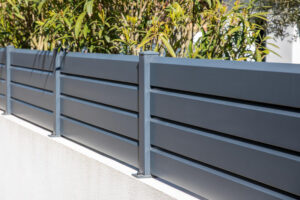
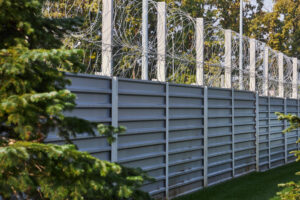
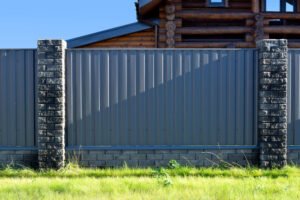
Picket and Post specializes in fence materials like vinyl, aluminum, and wood that are chosen to stand up to Brunswick County’s heavy rains and high winds.
Stay Protected with Smart Prep
Most of the time, you do not need to completely rebuild your fence to help it survive storm season. One smart repair, like tightening hardware or straightening a post, increases your chances that the fence stands strong when the wind starts blowing.
A bit of planning now can save you lots of work later. The mess left behind after storms is always easier to handle when the fence kept standing. When your support comes from neighbors who understand the local weather, you know you are in good hands for the next round of rough weather. That peace of mind makes all the difference when storms roll through again.
Storm season moves fast, and damaged fences don’t wait. We’ve seen how strong winds and heavy rain can turn small issues into bigger headaches. As one of the trusted fence companies in Brunswick County, we know how to spot trouble early and fix it before the weather makes things worse. At Picket and Post, we’re here to check what’s going on and help get your fence storm-ready. Give us a call when you’re ready to get started.